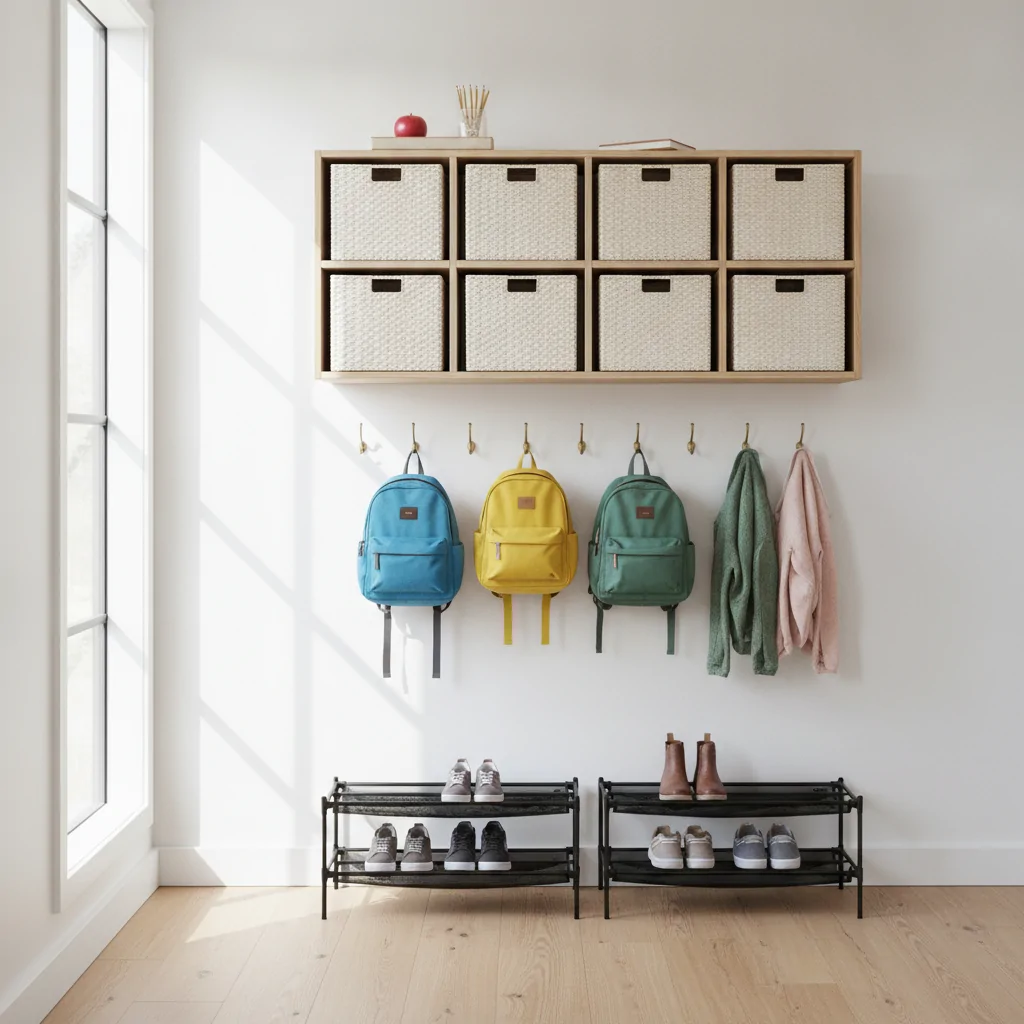
Fall has a way of bringing everyone back into the kitchen. After a summer filled with vacations, outdoor activities, and changing schedules, autumn often means more weeknight dinners at home, school lunches to pack, weekend baking, and preparations for the upcoming holiday season.
All that activity can put your pantry organization to the test.
When ingredients are difficult to find, shelves are overcrowded, or expired food is hiding behind newer purchases, even a simple dinner can take longer than necessary. An organized pantry helps you quickly see what you have, find what you need, and make everyday meal prep feel a little more manageable.
Whether you have a spacious walk-in pantry or a few dedicated kitchen cabinets, thoughtful organization can make a significant difference. Here are some pantry organization ideas to help your kitchen work better for you this fall.
Why Fall Is a Great Time to Organize Your Pantry
Your pantry changes with the seasons, even if you don’t consciously think about it.
During warmer months, shelves may be filled with grilling supplies, quick snacks, and foods for summer outings. As temperatures cool, many households start reaching for soups, pasta, baking ingredients, slow-cooker staples, and ingredients for hearty family meals.
Fall also arrives just before one of the busiest cooking periods of the year. Thanksgiving, holiday gatherings, baking, and hosting can all require additional ingredients and pantry space.
Organizing before that rush gives you an opportunity to clear out what you no longer need, take inventory of what you already have, and make room for the foods your household will actually use during the coming months.
Start by Creating Pantry Zones
An organized pantry should make it easy to understand where everything belongs.
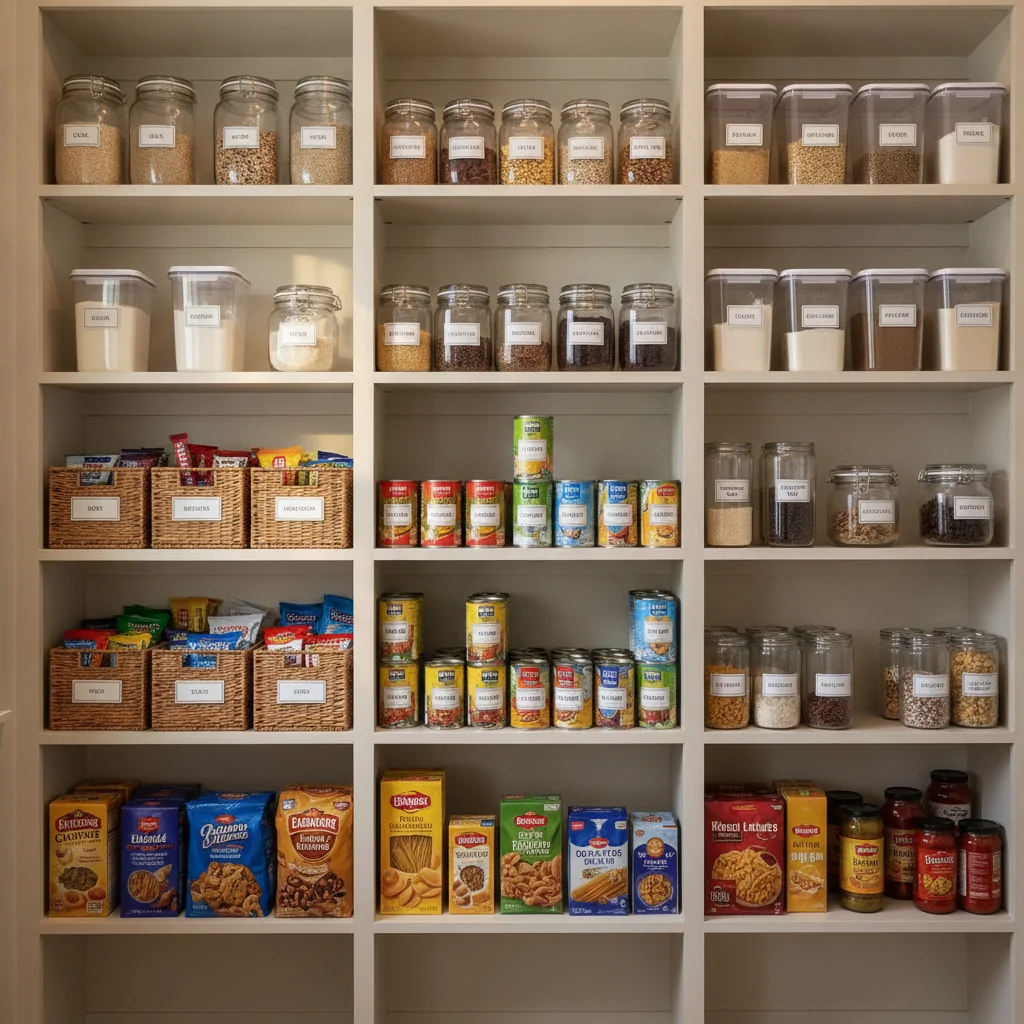
Rather than placing groceries wherever there’s an open spot, professional organizers often group similar items into functional zones. Your pantry might have areas dedicated to breakfast foods, snacks, baking supplies, canned goods, pasta and grains, sauces, and meal-prep staples.
The exact categories matter less than whether they reflect how your household actually eats.
For a family with school-age children, for example, creating an accessible zone for lunch-box snacks can make weekday mornings easier. Someone who loves fall baking may want flour, sugar, chocolate chips, and other baking ingredients stored together.
Good pantry organization isn’t about copying someone else’s perfectly arranged shelves. It’s about creating a system that supports your routines.
Keep Weeknight Meal Ingredients Together
The easier it is to find dinner ingredients, the easier it is to get dinner started.
Consider dedicating a section of your pantry to ingredients used frequently in weeknight meals. Pasta, rice, grains, canned vegetables, sauces, broths, and other staples can be grouped together so you can quickly see what you have available.
Some households may also benefit from creating meal-specific groupings. If taco night is a regular occurrence, for instance, keeping shells, seasoning, beans, and related pantry ingredients near one another can reduce the amount of searching required.
This approach can be particularly useful during the fall when school, work, sports, and extracurricular activities make weeknight schedules feel packed.
Make School Snacks and Lunch Supplies Easy to Reach
Back-to-school routines can quickly expose weaknesses in pantry organization.
If someone has to dig through multiple shelves every morning to find lunch supplies, the system probably isn’t working as efficiently as it could.
Creating a dedicated area for school snacks and lunch-box staples keeps frequently used foods together. Depending on your children’s ages, placing appropriate snacks where they can reach them can also make it easier for kids to participate in packing lunches or choosing an after-school snack.
Baskets or bins can help keep individually packaged foods contained, while labels make it clear where items should be returned.
Again, simplicity matters. The fewer steps required to maintain the system, the more likely everyone in the household is to use it.
Create a Fall Baking Zone
Pumpkin bread, apple crisp, cookies, pies, and holiday treats can mean baking ingredients suddenly receive much more attention during fall.
Instead of searching different corners of the pantry every time you bake, consider creating a dedicated baking zone.
Flour, sugar, baking soda, baking powder, chocolate chips, decorating supplies, and other frequently used ingredients can be grouped together. Smaller ingredients can be contained in a basket or bin so they don’t disappear behind larger packages.
If you transfer dry goods into containers, choose products based on function rather than appearance alone. Containers should fit your available shelving, hold the quantities you normally purchase, and be easy to clean and refill.
A beautiful pantry isn’t particularly helpful if maintaining it creates more work.
Use Clear Containers, Bins, and Labels Strategically
You don’t need to transfer every item in your pantry into a matching container to have an organized space. Storage products should solve specific problems.
Clear bins can help contain smaller items and make deep shelves easier to navigate. Turntables can improve access to sauces, oils, or condiments stored in awkward corners. Shelf risers can make canned goods easier to see, while labels help family members understand where categories belong.
Before purchasing pantry organizers, however, declutter and measure your shelves.
Buying products first is a common organizing mistake. You may end up with containers that don’t fit the space or more bins than you actually need. Understanding your inventory and available storage first allows you to choose products intentionally.
Put Frequently Used Foods in Prime Pantry Space
Not every pantry shelf is equally convenient.
The easiest-to-reach areas should generally be reserved for foods your household uses most frequently. Everyday breakfast items, snacks, and dinner staples belong in prime storage areas, while less frequently used appliances, bulk supplies, or special-occasion ingredients can be placed higher or farther back.
Think about who needs access as well.
Kid-friendly foods can be stored at an appropriate height, while items intended primarily for adults can live elsewhere. Heavy products are generally better suited to sturdy lower shelving rather than difficult-to-reach upper shelves.
Organizing according to frequency and accessibility makes your pantry more functional without requiring additional square footage.
Prevent Food From Getting Lost and Forgotten
One of the most frustrating pantry problems is discovering three packages of something you didn’t realize you already owned.
Deep shelves and overcrowded cabinets make it easy for food to disappear.
An effective pantry system should allow you to see your inventory as much as possible. Grouping categories together, avoiding overfilled shelves, and periodically bringing older products forward can help reduce forgotten food.
Leaving a little breathing room is important, too. Completely filling every available inch may technically maximize storage capacity, but it often makes the pantry harder to use.
A pantry with some open space is easier to shop for, easier to maintain, and easier to adjust as your household’s needs change.
Prepare Your Pantry for Holiday Cooking and Hosting
Fall pantry organization can also make holiday preparation significantly easier.
Before Thanksgiving and other seasonal gatherings arrive, designate a room for the ingredients you’ll need for special meals. Keeping holiday baking supplies, entertaining essentials, or frequently used hosting items together can prevent them from taking over your everyday food storage.
This is also a good opportunity to evaluate serving pieces, small appliances, and specialty kitchen items stored in or near the pantry.
If something is only used once or twice a year, it doesn’t necessarily need the most accessible storage location. Creating this flexibility before holiday groceries start arriving can help your kitchen stay functional during one of its busiest times of year.
When to Hire a Professional Organizer for Pantry Organization
Sometimes a pantry needs more than a few new bins.
If you’ve repeatedly organized the space only to have clutter return, the issue may be the underlying system rather than your ability to keep things tidy. An experienced professional organizer can evaluate how your household uses the kitchen, identify inefficient storage, and create simple, sustainable systems designed around your routines.
Professional pantry organization can be particularly helpful after moving, before the holidays, when organizing a busy family home, or as part of a larger kitchen or whole-home organization project.
At Clutterless Home Solutions, we don’t believe your pantry needs to look like a magazine spread. It needs to work for real life.
Our professional organizing team creates functional, judgment-free systems that make it easier to find what you need, put groceries away, prepare meals, and keep your kitchen organized throughout the seasons.
We provide home organizing services throughout Denver, Fort Collins, Colorado Springs, and surrounding Colorado communities. Ready to make your kitchen work a little harder for you this fall? Contact us today.