
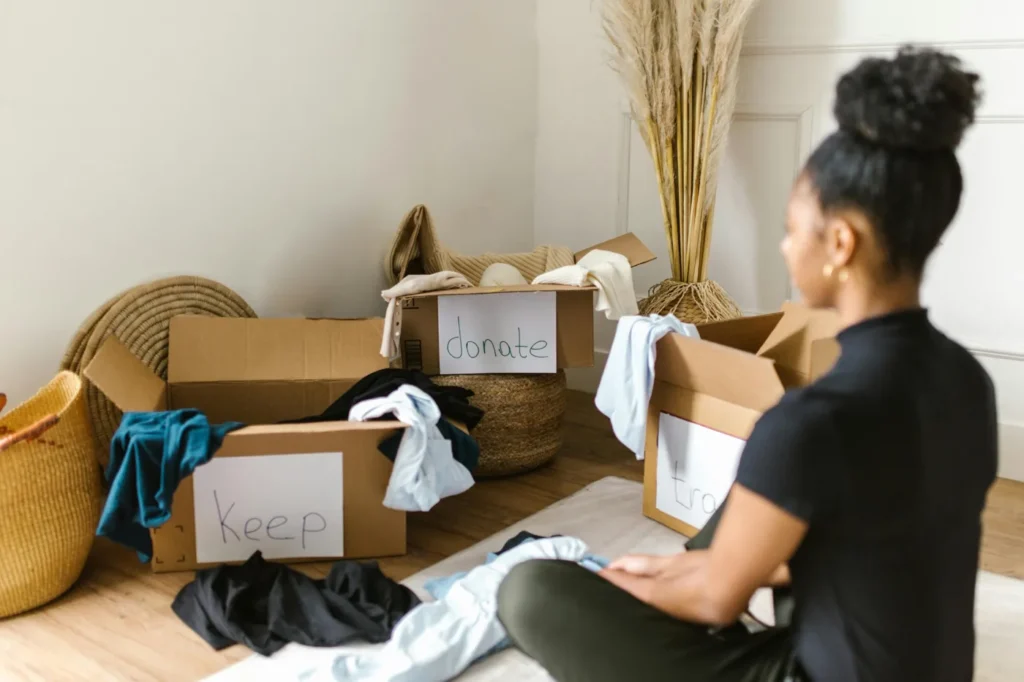
Decluttering is often portrayed as a simple process of deciding what to keep and what to donate. But anyone who has sorted through old photographs, childhood keepsakes, inherited furniture, or boxes of family mementos knows it’s rarely that straightforward.
Sentimental items are different from everyday clutter. They carry stories, emotions, and reminders of people, places, and moments that have shaped our lives. Letting go of them can feel like letting go of the memories themselves.
The truth is, your memories don’t live inside your belongings. The objects may remind you of meaningful experiences, but the experiences themselves remain part of your life whether you keep every item or not.
If you’ve been struggling to declutter sentimental belongings, you’re not alone. With a thoughtful approach, it’s possible to honor your memories while creating a home that feels more peaceful and functional.
Why Sentimental Items Are So Hard to Declutter
Sentimental belongings often represent much more than the physical object itself.
A concert ticket may remind you of a favorite trip. A child’s artwork captures a moment in time. Your grandmother’s dishes may bring back memories of family holidays. Even everyday objects can become emotionally significant because of the people connected to them.
It’s also common to worry that getting rid of something means forgetting the person or experience attached to it.
In reality, memories are far more resilient than we often realize. Most people can vividly remember important life events without keeping every physical reminder. The challenge is deciding which possessions truly help you celebrate them.
Approaching sentimental decluttering with patience rather than pressure makes the process much more manageable.
Start With the Items That Feel Easier to Sort
When emotions are involved, it’s rarely helpful to begin with your most treasured possessions. Instead, build confidence by starting with sentimental items that feel easier to evaluate.
Perhaps you have multiple souvenirs from the same vacation, stacks of old greeting cards, or several boxes of children’s school papers. These collections often contain duplicates or items that no longer hold the same emotional significance.
As you become more comfortable making decisions, you’ll develop a clearer understanding of what feels meaningful enough to keep. Small successes also make it easier to approach more difficult categories later.
Remember, decluttering sentimental belongings isn’t a race. Taking your time allows you to make thoughtful decisions instead of emotional ones. Likewise, undertaking frequent declutterings, such as at the end of each school year, can help you parse the truly memorable items from the others.
Choose What Truly Represents the Memory
One of the most helpful questions you can ask is: “Which item best tells this story?”
Often, a single object captures the memory just as well as an entire collection. Instead of keeping every souvenir from a vacation, you might keep the one that immediately brings the trip to mind. Rather than saving every piece of childhood artwork, you may choose the few that best represent different stages of your child’s growth. We often suggest to clients that they have a closed-top hanging folder box and they put a folder in for each school year. They can keep some of the best artwork or awards, and it’s also a fun way to go down memory lane with your kids once they grow older.
This approach allows you to preserve meaningful memories without requiring unlimited storage space. Choosing intentionally also gives greater significance to the items you do decide to keep. Rather than hiding dozens of keepsakes inside storage bins, you’ll be able to appreciate the belongings that matter most.
Use a Memory Box, Photo Album, or Digital Archive
Not every meaningful item needs to remain on a shelf or inside a closet forever. Creating dedicated memory storage helps preserve special belongings while preventing sentimental clutter from spreading throughout your home.
A memory box works well for small keepsakes like handwritten notes, jewelry, postcards, or family heirlooms. Photo albums allow printed photographs to be organized and enjoyed rather than forgotten inside cardboard boxes.
For larger collections, digital archiving can be an excellent solution. Scanning children’s artwork, old letters, recipes, certificates, or photographs allows you to preserve the memories while significantly reducing physical storage needs.
Taking photographs of bulky sentimental items before donating them is another option many people find comforting. Sometimes preserving the image is enough to preserve the memory. These can be easily sorted further into albums on your phone. It’s always best to sort these earlier than later, so you don’t end up getting lost in a full library of pictures.
Give Meaningful Items a Second Life
Parting with sentimental belongings doesn’t always mean throwing them away. Many cherished items can continue serving a purpose through thoughtful reuse.
A loved one’s favorite quilt might become part of your guest room. Vintage dishes can be displayed instead of hidden in storage. Children’s artwork can be framed rather than stacked in boxes. Family recipes can be compiled into a cookbook that future generations can enjoy.
Donating meaningful items to someone who will genuinely appreciate them can also provide comfort. Knowing an object will continue bringing value to someone else’s life often makes letting go feel less difficult.
Finding new ways to celebrate meaningful belongings allows their stories to continue without contributing to clutter.
What To Do With Gifts, Inherited Items, and Family Keepsakes
Some of the most difficult belongings to declutter are those connected to other people.
Gifts can create feelings of obligation long after they’ve been received. Inherited items may feel tied to honoring a loved one’s memory. Family keepsakes often come with expectations, whether spoken or unspoken.
It’s important to remember that the purpose of a gift is to bring joy—not lifelong guilt. If an item no longer fits your home or your life, letting it go doesn’t diminish your appreciation for the person who gave it.
The same is true for inherited belongings. Keeping every inherited possession isn’t the only way to remember someone. Often, choosing one or two meaningful pieces allows those items to be enjoyed rather than buried among dozens of others.
If other family members may value certain heirlooms, consider offering them the opportunity to keep those items before donating them elsewhere. Making thoughtful decisions about inherited belongings allows family history to be preserved while creating a home that reflects your current life.
When Professional Decluttering Support Can Help
Memories deserve to be celebrated, not hidden away in overflowing boxes or crowded closets.
By thoughtfully choosing what to keep, finding meaningful ways to preserve special moments, and creating intentional storage systems, you can honor your past while making room for your future.
At Clutterless Home Solutions, we help clients throughout Denver, Fort Collins, Colorado Springs, and surrounding Colorado communities navigate sentimental decluttering with compassion and care. Whether you’re downsizing, preparing for a move, or simply ready to reclaim your space, we’re here to support you every step of the way.
Contact us today to get started and discover how thoughtful, judgment-free organizing can help you create a home that holds onto the memories, without holding onto unnecessary clutter.
FAQs About Decluttering Sentimental Items
Q. How do I know if I’m keeping too many sentimental items?
If sentimental belongings have grown to the point where they’re difficult to store, interfere with daily living, or prevent you from using parts of your home, it may be time to thoughtfully review what truly matters most.
Q. Is it okay to take photos before donating sentimental items?
Absolutely. Many people find that photographing meaningful belongings preserves the memory while allowing the physical item to be passed along. This can be especially helpful for larger objects that take up valuable space.
Q. Should I keep everything my children made?
Most parents don’t have room to save every drawing, school project, or craft. Instead, consider selecting favorite pieces from each stage of childhood or creating a photo book or digital archive that captures their creativity over the years.
Q. What if I feel guilty getting rid of a gift?
It’s natural to feel that way, but remember that a gift has already fulfilled its purpose when it was given with love. Keeping something out of guilt alone doesn’t honor either you or the person who gave it. It’s okay to let go of items that no longer fit your life.
Q. Can a professional organizer help with sentimental decluttering?
Yes. Professional organizers provide compassionate, judgment-free support throughout the process. They help you stay organized, make thoughtful decisions, and create systems for preserving the memories that matter most while reducing unnecessary clutter.

